5 Free Fire Mistakes That Can Cost You Matches
As a Free Fire player, you probably spend time looking for ways to improve. Watching tutorials and learning new techniques can help, but there is another step worth taking first: identifying the habits that keep costing you fights.
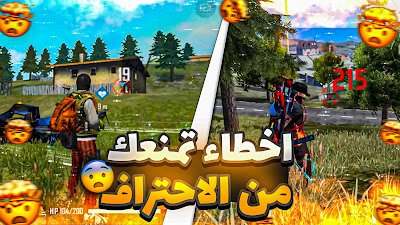
You may already aim well or move quickly and still repeat decisions that put you at a disadvantage. This guide covers five common mistakes discussed in Mr Weka's video and explains how to approach those situations more thoughtfully.
1. Rushing an Opponent Without a Plan
Seeing an enemy does not mean you should immediately run straight toward them. When you rush a decision, you may overlook their cover, their firing angle or the possibility that they are ready for your push.
Remember that the player in front of you is also trying to win. Plan how you will reach a useful position instead of assuming you can eliminate them before they react.
Move between cover and keep exposed crossings brief. A gloo wall can help protect a necessary movement, but spending every wall on one opponent may leave you without options later.
One idea from the video is to prepare your gloo wall before crossing, watch the enemy's position and place cover when needed. Do not wait until you have already taken heavy damage to think about where your next protection will come from.
2. Ignoring Movement and Equipment Choices
The second mistake is moving without considering what you are holding or whether you need to be ready to shoot. Crossing a safe area, escaping an opponent and approaching a fight are different situations.
The video discusses switching away from a main weapon when prioritizing movement, and uses a pan and pistol as examples. Test the available options in your current game version rather than assuming that every weapon or melee item has the same movement effect.
Do not turn a movement tip into a rule that you must always put your weapon away. If an opponent is close enough to attack, being ready to respond may matter more than a movement advantage.
The video also discusses a carried pan during a retreat. Do not treat equipment on your back as guaranteed protection from enemy fire. Use cover, gloo walls and a route that reduces exposure, and check item behavior in training before relying on it.
3. Taking Fights From a Poor Position
You do not need to accept every fight immediately. If you are low on health, outnumbered, short on ammunition or caught without cover, continuing the duel may give your opponent an easy opportunity.
Retreating can be a useful decision. Break the enemy's line of sight, reach cover and reassess whether you can recover or approach from another angle.
This does not mean avoiding every difficult opponent. It means recognizing when the current situation favors them and making a deliberate choice about whether to stay, reposition or disengage.
4. Trying to Make Every Elimination a Headshot
A clean headshot is satisfying, but it is not a requirement for winning a fight. If you delay a useful shot because you are waiting for a perfect headshot, you may give the opponent time to attack or escape.
This matters when several enemies are pressuring you. Reliable damage and a safe follow-up can be more useful than repeatedly attempting a difficult one-shot finish. Choose the shot that fits the situation.
Sniper players should pay particular attention to how long they remain exposed while scoped in. If you stay still searching for a headshot, another opponent may get a clear angle on you.
When appropriate, take the available shot, return to cover and look for a follow-up. Keep practicing headshots, while allowing yourself to win with ordinary hits when that is the more practical option.
5. Skipping Focused Training
Match experience matters, but it is not always an efficient way to repeat a specific skill. In a normal match, you may spend time looting and rotating before finding an opportunity to practice the shot or movement you want to improve.
Training gives you a place to repeat actions more deliberately. Work with the weapons, targets and practice activities available in your current version. Garena describes Training Grounds as a place to develop game mechanics in its official Training Grounds overview.
The video's comparison between a few encounters in a match and many repetitions in training illustrates the value of practice volume. You do not need a fixed elimination target: focus on useful repetitions and whether you understand your mistakes.
A simple practice session
- Choose one skill, such as crosshair placement, a controlled drag or placing a gloo wall after a shot.
- Repeat it slowly enough to notice when and why it goes wrong.
- Try the movement with different available weapons or target situations.
- Apply it in a room or normal match, where timing and pressure are less predictable.
Regular practice can help you become more familiar with busy fights and build confidence. It does not guarantee that nervousness disappears completely. Combine training with real matches so your mechanics and decision-making improve together.
Watch the Full Video Tutorial
Watch Mr Weka's Arabic video for the original explanation and gameplay examples behind these five mistakes.